IP ratings and what you need to know
What the two digits in an IP code actually mean, why over-specifying an enclosure can cause more problems than it solves, and what IP ratings don't cover.
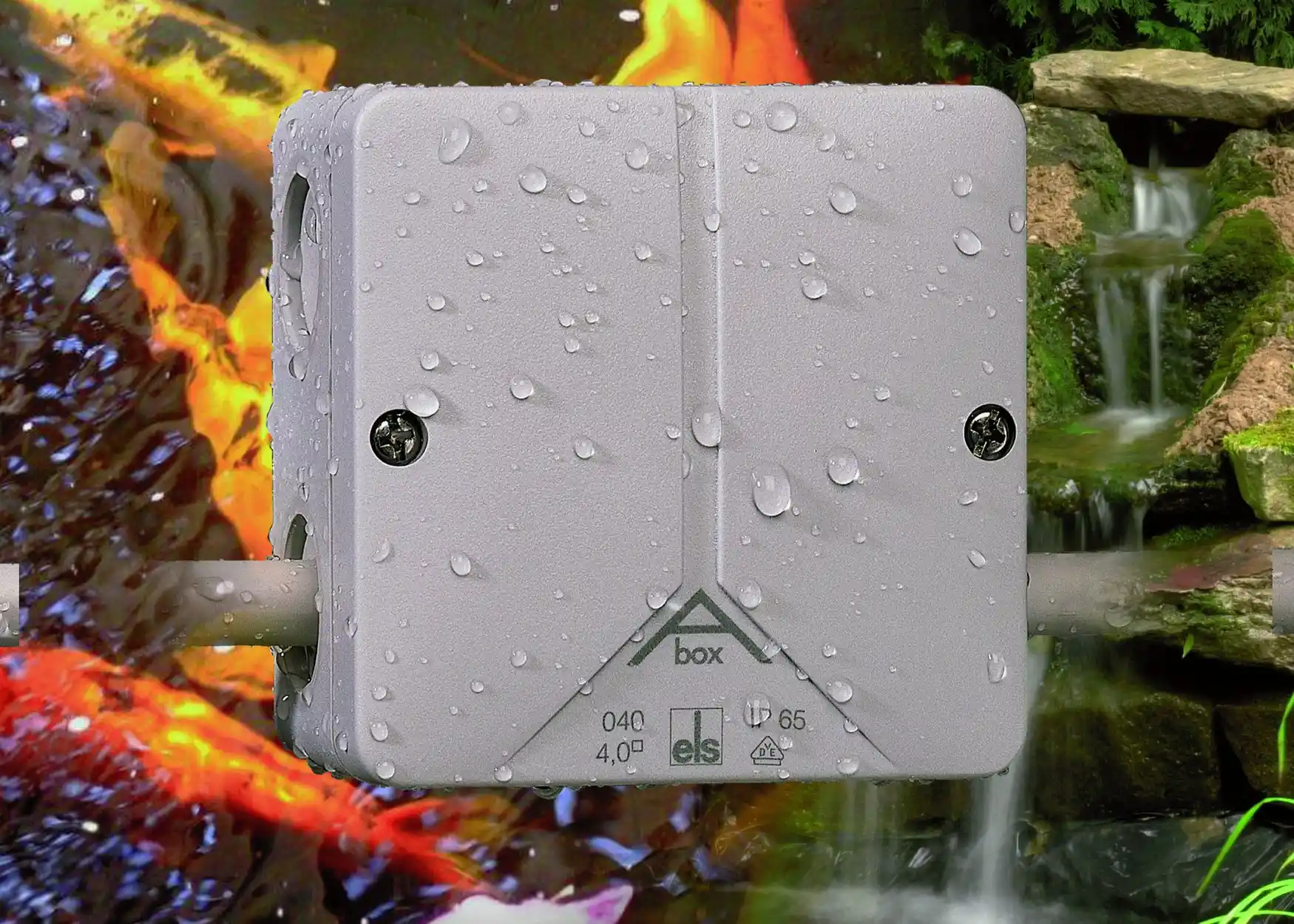
Manufacturers of enclosures are required to provide an IP rating for every product, which allows designers and installers to ensure that they select the correct product for each application. But what exactly do all the numbers mean? And how can you be sure you have made the correct choice?
Chris Lloyd, General Manager for Spelsberg els UK, offers an insight into IP ratings and how it affects product selection.
What does IP mean?
Technically, IP stands for International Protection, but is more commonly known as Ingress Protection and is a set of ratings designed to provide a reliable standard for determining the level of protection offered by an enclosure against solid objects and water. These ratings are defined by the international standard EN 60529.
Although these ratings were initially developed as a way to classify enclosures, they now provide engineers with a convenient, practical way to compare levels of sealing. This standard describes a system for classifying the degrees of protection provided by the enclosures of electrical equipment and is displayed in a standard format, IP56, for example.
How to read the rating
The first digit in the rating is the protection against contact with dangerous parts and solid bodies. The second digit in the rating is the level of protection against the harmful ingress of water. In some cases there may be a third digit which relates to the protection of an enclosure against external mechanical damage, this classification is not covered by EN 60529 but is covered by EN 50102. The full list of ratings for all three factors is shown in the tables below.
The letter ‘X’ is used in place of the first or second numeral by equipment manufacturers to indicate that tests are not applicable to the product. It is also used in standards to indicate that for the range of products covered such protection is not required. Eg: IP4X specifies that protection against the 1.0mm probe is required and that there is no requirement for the protection from the ingress of water. According to current IEE Wiring Regulations, BS7671, an enclosure, which is readily accessible, must maintain an IP rating of IP4X for horizontal top surfaces, in order to prevent small items falling through and coming into contact with live equipment.
IP68 and IP69K
For the purpose of most applications the rating system goes up to IP68, which provides complete protection from ingress when fully submerged (though statically fixed) in water of up to 10m in depth. However, a specialised IP69K rating is available for applications which require protection against not only the ingress of dust but also high temperature, high pressure water — making products with this certification ideal for use in conditions where equipment must be carefully sanitized.
The adoption of this classification system promotes uniformity in methods of describing the protection provided by the enclosure and in the tests to prove the various degrees of protection. The product’s IP rating ensures that the person specifying a project knows that the product is protected from particles or dust or water that may be present in the environment where the product is to be installed.
Choosing the right rating
Despite the rating system giving an accurate and reliable indication of the level of protection an enclosure supplies, it is very common to see enclosures being over specified: ‘just in case’. Not only is specifying a higher degree of protection often more expensive, it can also be less suitable for a particular application. For instance, ventilation or pressure compensation devices can reduce the possibility of internal condensation caused by changes in air temperature and humidity.
Ventilation can provide an important contribution to the satisfactory operation of enclosed equipment. Where significant heat is generated in an enclosure, ventilation is generally employed to permit the equipment to operate within its designed performance characteristics. To minimise enclosure size and cost it is common practice to employ natural ventilation, using louvres and/or vents as required. Suitably located louvres and/or vents can provide protection against the ingress of heavy dust and occasional drips of condensate falling from above.
Drainage holes may be sufficient to disperse the condensate, but these apertures may reduce the IP rating, however, if correctly designed, drainage holes can enhance the weatherproof capabilities of an enclosure.
Getting the design right
It is important that enclosures are properly designed for the application and most enclosure suppliers should be able to help with this. Spelsberg, for example, has in-house design and manufacturing expertise and can ensure that every aspect of the design is considered before suggesting one of the 4,000 items in the standard range or providing a bespoke, engineered solution. This ensures that issues such as ventilation and drainage are catered for and non-standard cable entries are accommodated while still maintaining the required IP rating for the installation.
What IP ratings don’t cover
It should be noted that IP ratings are for ingress only and that tests are comparative and are conducted with fresh water. Therefore, they in no way indicate the enclosure’s ability to withstand the effects of corrosion from salt water, chemicals, acid rain and other special environments as well as the normal expected weather conditions.
Enclosures of moulded materials are available for use in harsh environments and generally provide good resistance to corrosion and chemicals. However to avoid deterioration, careful consideration is required when choosing moulded enclosures as some materials do not perform well with dilute acids or certain chemicals or when exposed to ultra violet light (direct sun light). The vast range of moulding materials now available makes it essential for specifiers to consult the manufacturer for information on the ability of moulded materials to withstand hostile environments.
In short
When specifying electrical enclosures or junction boxes then all of the above mentioned points are very important considerations to ensure the correct enclosure is selected for the required application, at best a poor specification choice will lead to unnecessary cost, but at worst it could lead to catastrophic failure once installed. It’s always best to speak to an expert who can help to specify either a standard enclosure or a bespoke version designed to your individual design requirements.

Chris Lloyd
Technical Manager, Spelsberg UK
20+ years in electrical enclosures. Leads the Telford machining and bespoke service, and specialises in IP/IK ratings, enclosure modification and application engineering.
Answered by our engineers
Related questions
Can a ventilation system be fitted inside an electrical enclosure?IP Ratings & Ingress Protection
Yes, a ventilation system can be fitted inside an electrical enclosure, including as a retrofit to an existing installation. Our Air-Technology setup is integrated automatically in our AK range of distributors and is also available for other enclosures. It uses air exchangers that transport condensate out of the enclosure while allowing the interior air to mix constantly with the environmental air. Ventilation elements prevent condensation forming and building up, reduce the risk of overheating, and protect the electrical equipment within, meeting IP65 requirements.
Answered by Chris LloydUpdated 18 Sept 2026Read the full answer →
Do you need a ventilation system in an electrical enclosure?IP Ratings & Ingress Protection
A ventilation system is worth fitting where an enclosure faces damp conditions, fluctuating temperatures, or houses many components in a small space — all situations that cause condensation or overheating. Promoting air circulation reduces condensation risk while maintaining ingress protection. Our AK range uses registered Air-Technology, which delivers a high air exchange rate with pressure equalisation to prevent condensation and excessive heat, while protecting circuits from water, dust and foreign particles in line with IP65.
Answered by Chris LloydUpdated 18 Sept 2026Read the full answer →
Which enclosures are DNV certified for use on marine vessels?IP Ratings & Ingress Protection
For marine vessels and other offshore installations, our most suitable solutions are the TK PC, Abox-i PC and Abox-i SL ranges. These are DNV certified, meaning they comply with the world's leading classification society for the maritime industry. They offer up to IP 66 ingress protection, preventing water and dust from entering the system, and they are made of polycarbonate, so they withstand exposure to UV light and extreme weather conditions. They are also highly resistant to mechanical stress.
Answered by Chris LloydUpdated 18 Sept 2026Read the full answer →
Can an enclosure be submerged, and can resin make it watertight?IP Ratings & Ingress Protection
An enclosure can be submerged if it carries an ingress protection rating of IP68, which means it resists prolonged immersion in at least one metre of water. The most cost-effective and reliable way to achieve this is to fill the enclosure with silicone or resin, which prevents moisture reaching the internals. Our Abox XT junction boxes use this method and withstand submersion in up to 10 metres of water. Each box is supplied with a cast resin bag and a funnel, and has two holes, one to pour the resin in and one to let the air out.
Answered by Chris LloydUpdated 18 Sept 2026Read the full answer →